An Art-Net LED pixel controller that also hears the music
A Wi-Fi Art-Net, sACN and DDP pixel controller. Drive it as a pixel node from MADRIX, Resolume Arena, MadMapper, TouchDesigner or xLights over Art-Net, sACN or DDP. Fire its cues over OSC. And when your show stops streaming, it takes over with its own beat-locked music engine, so the lights never go dead between sets.
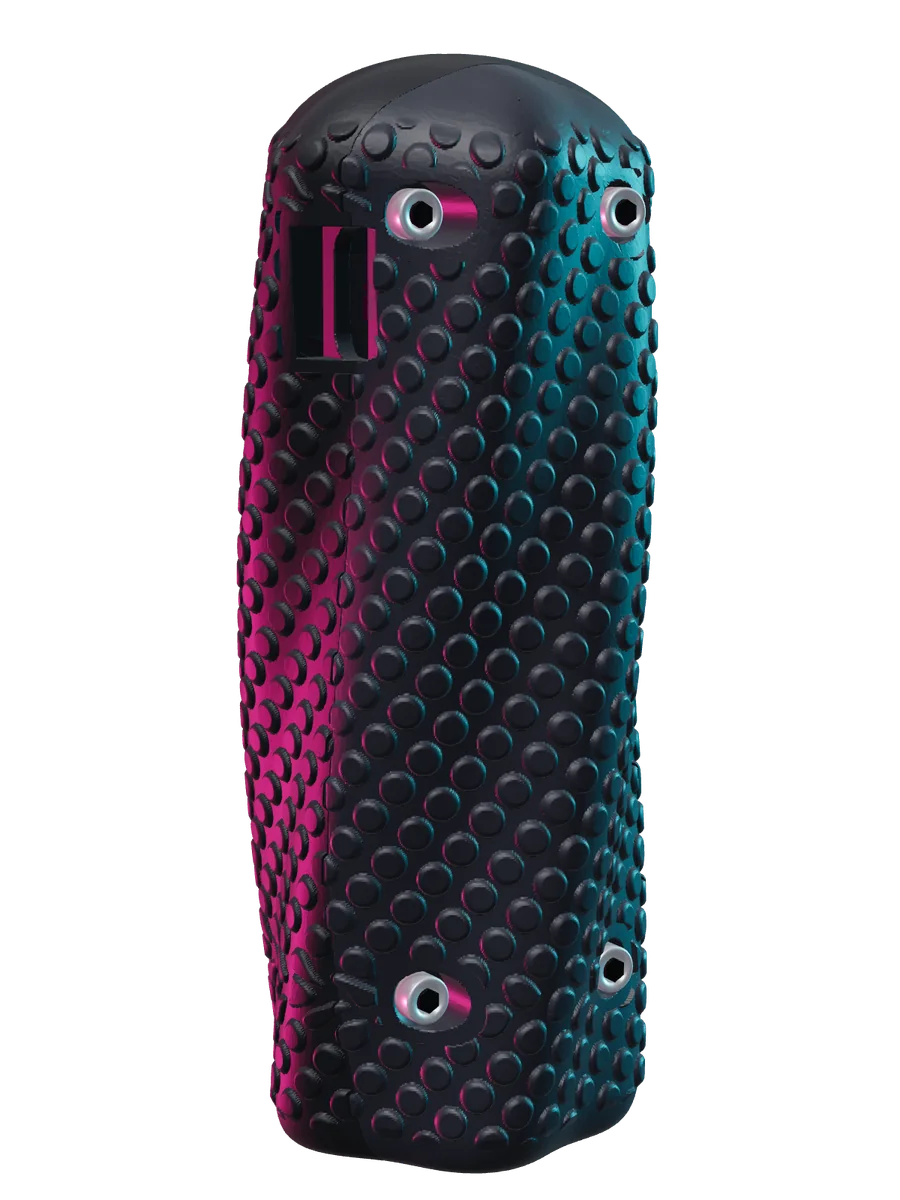
Two ways into your show
Stream pixels: your software renders the picture and sends it over Wi-Fi with Art-Net, sACN (E1.31), DDP or WLED realtime. The stream shows instead of the controller's modes, and hands back when it stops.
Play its engine over OSC: switch looks, trigger a drop, a flash or a build-up, ride brightness or tap tempo from Resolume, TouchDesigner, MadMapper, QLC+ or TouchOSC, while the lights keep following the music.
Works with
MADRIX · Resolume Arena · MadMapper · TouchDesigner · xLights · LedFx · QLC+ · Millumin · Chataigne · Lightjams, and anything else that speaks Art-Net, sACN, DDP or OSC.
The numbers
- Art-Net on UDP 6454, sACN on UDP 5568 (unicast, and multicast for the first universe), DDP on UDP 4048, WLED realtime on UDP 21324
- 170 RGB LEDs per universe, continuing on the next universes in order
- First universe, start channel and hand-back time set in the app
- OSC on UDP 8000: /anima/look, /anima/fn/drop, /anima/bri, /anima/tap and every Live control
Art-Net, sACN and DMX in one paragraph
DMX512 is the lighting signal: 512 channels, a universe, on one cable. Art-Net and sACN (E1.31) carry those universes over a network instead, so a laptop can send dozens of universes over Ethernet or Wi-Fi. This controller is an Art-Net receiver: it shows the universes your software sends on its own LEDs. It doesn't output DMX to fixtures; for those, use an Art-Net to DMX node alongside it.
Set it up in five minutes
Join the controller to your show network, check that streams are accepted in Setup → Network and sync, set the first universe to match your software, and add an output pointing at the controller's address. The full walk-through is in the VJ and lighting software guide.
How it compares
| Feature | Bare Art-Net pixel controller | AudioReactive |
|---|---|---|
| Takes Art-Net / sACN / DDP | Yes | Yes, over Wi-Fi |
| When the stream stops | Goes dark or holds the last frame | Its own music engine takes over |
| Cues from your show | No | OSC: looks, drops, flashes, brightness, tempo |
| Hears the music itself | No | Beat, tempo, chords, key, melody, song sections |
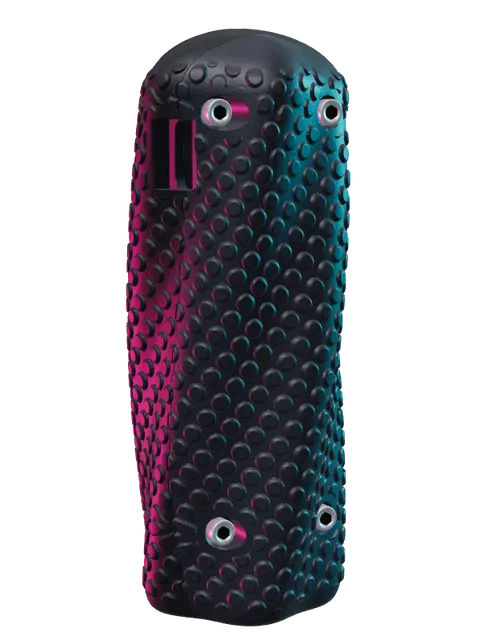 Seed Pod
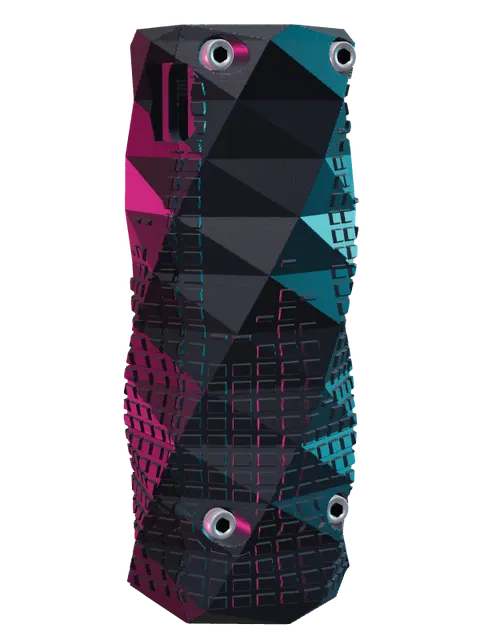 Faceted Twist
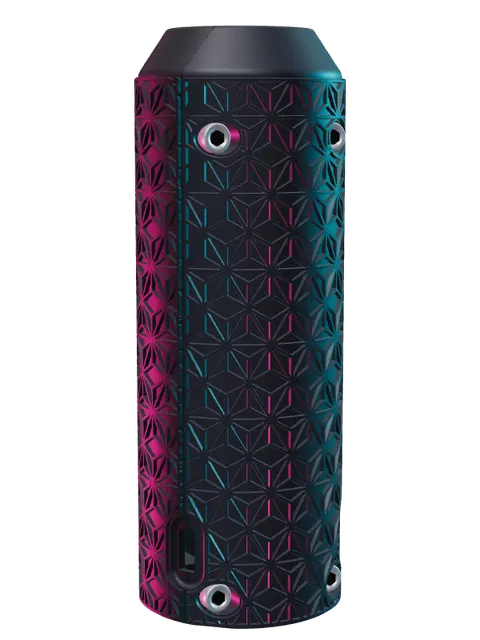 Round
Questions
Which software can drive it?
Anything that sends Art-Net, sACN (E1.31), DDP or WLED realtime: MADRIX, Resolume Arena, MadMapper, TouchDesigner, xLights, LedFx, QLC+, Millumin, Lightjams and more. Anything that sends OSC can fire its cues.
How many LEDs per universe?
170 RGB LEDs per DMX universe (3 channels each). Longer pieces continue on the next universes in order. The first universe and start channel are set in the app.
What happens when the stream stops?
After a short timeout (2.5 seconds by default) the controller hands the lights back to its own music modes, beat-locked, without a gap.
What is the difference between Art-Net and DMX?
DMX512 is the lighting control signal: 512 channels, called a universe, on one cable. Art-Net and sACN (E1.31) carry DMX universes over an Ethernet or Wi-Fi network, so one computer can send many universes without DMX cables. This controller receives Art-Net and sACN over Wi-Fi.
Is it an Art-Net DMX controller for fixtures?
No. It is an Art-Net receiver, a pixel node that shows the universes your software sends on its own LEDs. To run DMX fixtures, pair your lighting software with an Art-Net to DMX node.
Is Wi-Fi fast enough?
For a strip or a 16×16 matrix, yes. Keep the controller near the access point on a quiet 2.4 GHz channel, prefer DDP or unicast sACN, and send only the frame rate the show needs.
Can I trigger its music modes from my show?
Yes, over OSC on UDP port 8000: switch looks, fire a drop or a flash, ride brightness or tap the tempo, while the lights keep following the music.
More in the support guides, or ask us.