DJ booth lights that lock to the beat
Wrap LED pixel strips around the booth facade, the decks or the riser, and AudioReactive plays them from the sound in the room: hits on every kick, colour changes with the chords, a build that rises with the riser and a flash on the drop. No laptop, no DMX desk, no programming.
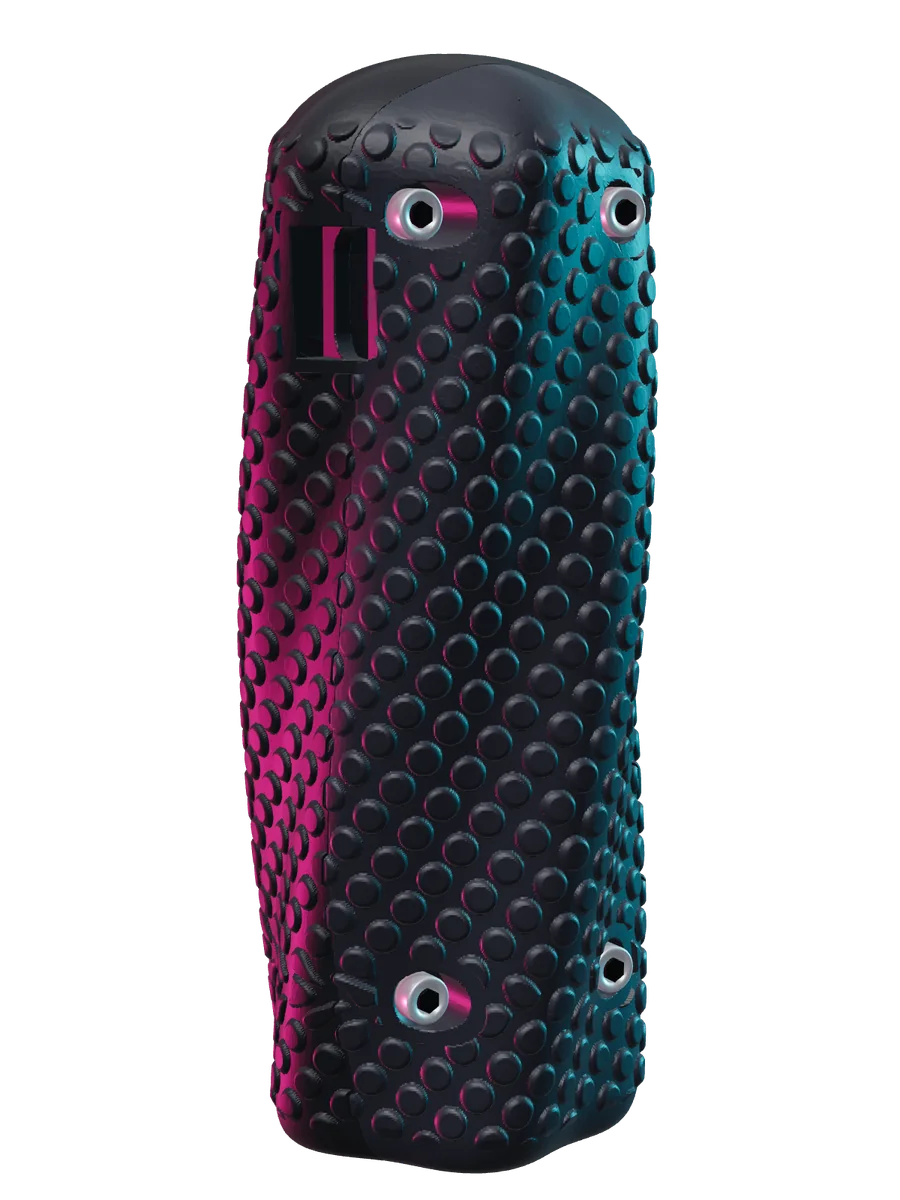
How it follows a DJ set
The built-in microphone hears the booth monitors. The controller locks a beat clock to the kick, follows tempo changes across the set, and recognises build-ups, drops and breakdowns, so the lights change with the track, not just with the volume. If the lights land a touch late, the latency lead on the Sound tab pulls them forward.
Play it live
The Live tab turns your phone into a lighting controller: pads for flash, kick, snare, drop, strobe, freeze, blackout and whirl, plus faders. Hold freeze on a breakdown, slam drop when it lands. On a laptop, the same pads are on the keyboard.
Booth ideas
- Facade: a strip along the front of the booth, or a matrix panel behind the logo
- Decks: a short strip under the lip of the table
- Riser and truss: pixel strips up the legs, with modes that rise with the build
- Mobile gigs: the shell has a battery and its own hotspot, so it works with no venue Wi-Fi
With the rest of your lighting
If a lighting operator runs the room from software, the controller takes Art-Net, sACN and DDP for the pixels and OSC for cues, and falls back to its own music modes whenever the stream stops. It does not control DMX fixtures like moving heads or pars.
A note on strobes
Strobe and flash effects can affect people with photosensitive epilepsy. Use the strobe pad sparingly, and follow the venue's rules.
How it compares
| Feature | Sound-active DJ light | DMX lighting with an operator | AudioReactive |
|---|---|---|---|
| Follows | Volume | Whatever the operator plays | Beat, chords, build-ups, drops |
| Setup | None | Programming and a desk | Plug in, pick a mode |
| Live control | No | Yes | Pads on your phone, OSC |
| Lights | Its own heads | DMX fixtures | Pixel strips and matrices |
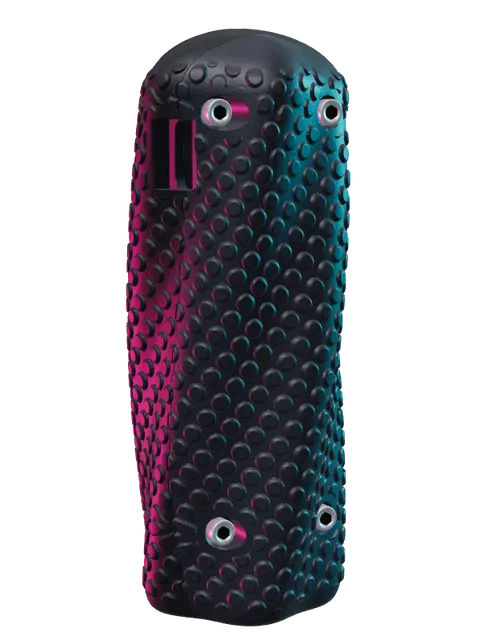 Seed Pod
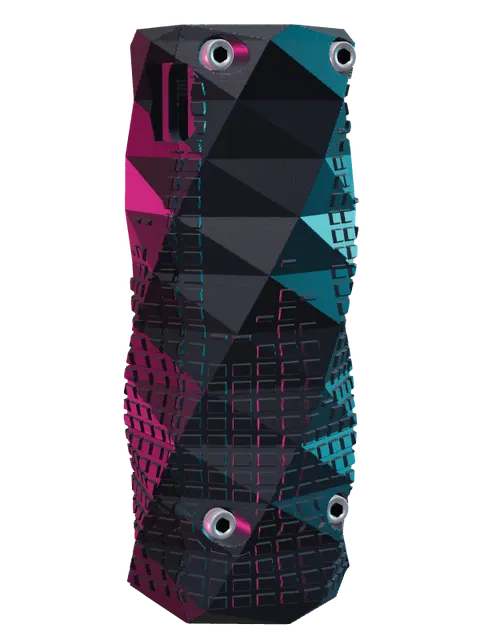 Faceted Twist
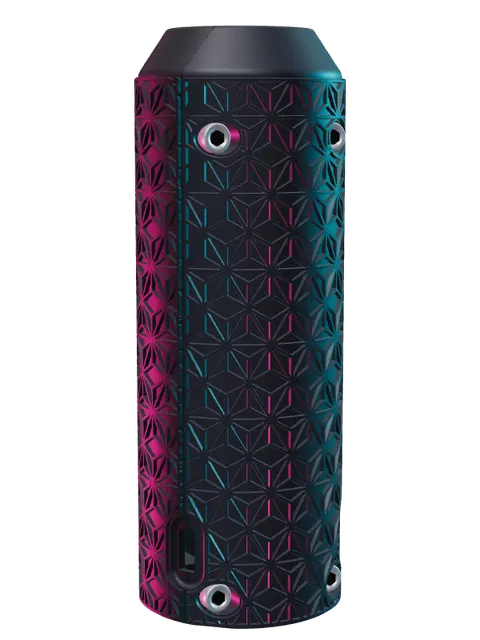 Round
Questions
What lights do DJs use on the booth?
Usually LED strips or pixel bars on the facade and riser, plus DMX fixtures like moving heads and pars for the room. AudioReactive drives the pixel strips and matrices; it does not control DMX fixtures.
Will it work in a loud club?
Yes. The microphone adapts its gain to the level in the room, and the beat tracker locks to the kick. If the lights land late, raise the latency lead on the Sound tab.
Can it follow tempo changes in a set?
Yes. The beat clock follows the tempo as it changes and picks up again after a breakdown, and the section detector sees build-ups and drops coming.
Do I need Wi-Fi at the venue?
No. It makes its own hotspot for your phone, and the battery in the shell runs it without a wall socket for short sets.
Can my lighting operator control it?
Yes, over Art-Net, sACN or DDP for the pixels, or OSC for its own cues: looks, drops, flashes, brightness and tap tempo.
More in the support guides, or ask us.